Why Antique Clocks and Watches Stop Working: Common Issues in Edmonton
Ultra Jewellers • August 5, 2026
Antique clocks and watches are treasured heirlooms and functional art pieces, but their inner workings can puzzle even the most dedicated collectors. At Ultra Jewellers, we’ve seen first-hand how the unique conditions in Edmonton can exacerbate issues that lead to stopped or unreliable timepieces. If your cherished watch or family clock has suddenly stopped working, understanding the root cause is the first step to a trustworthy repair.
These intricate mechanisms often require both careful diagnosis and expert handwork to restore dependable function. We know how frustrating it can be to wind a beautiful pocket watch or mantle clock only to find it silent or inaccurate. Fortunately, solutions exist for most common issues—if you know what to look for and who to trust with the repair.
In This Article:
- Why Mechanical Wear is a Big Culprit
- Impact of Edmonton’s Environment on Antique Timepieces
- Why DIY Repairs Usually Backfire
- What Causes Antique Watches and Clocks to Stop Running?
- How Trusted Repair Services Fix and Protect Antique Timepieces
- Your Timepiece Deserves Expert Care
Why Mechanical Wear is a Big Culprit
The most common reason antique watches and clocks stop working is simply mechanical wear. As timepieces age, their gears, pivots, and mainsprings naturally lose alignment and lubrication. The delicate metal-on-metal movements are designed to run for years only with proper servicing.
When lubricants dry up or accumulate decades of dust, friction increases, leading to stuttering or total stoppage. Even the tiniest piece of debris can interrupt movement, so a periodic full disassembly and cleaning is part of responsible ownership.
→ A quick tip to remember: If your timepiece hasn’t been professionally serviced within five years, it’s likely overdue and vulnerable to these classic wear problems.
Impact of Edmonton’s Environment on Antique Timepieces
Living in Edmonton introduces another layer of risk for antique clocks and watches. Our climate is characterized by swings in humidity and temperature, which can cause the tiny components inside your timepiece to expand, contract, and develop micro-cracks. This environmental stress accelerates the breakdown of oils and makes certain rare woods, leather bands, and gaskets brittle over time.
Owners often notice their timepieces running erratically during seasonal transitions—the clearest sign that local conditions are at play. If your clock or watch was previously repaired or stored in a different climate, acclimatization issues may also arise.
→ From a professional standpoint: Edmonton’s dry winters can dry out lubricants and cause leather straps to crack, while humid summers can lead to rust or hidden corrosion on internal parts.
Why DIY Repairs Usually Backfire
Many people attempt DIY fixes when faced with a stopped antique timepiece, thinking a drop of oil or a quick tightening of screws will do the trick. Unfortunately, these well-meant interventions can cause irreversible damage if not done with the right precision and tools. Modern oils can harm classic movements, and even one stripped screw can ruin the value of your watch or clock.
A shortage of locally available spare parts also tempts people to substitute modern elements, which often don’t fit correctly or may alter the piece’s integrity. Restoring antique timepieces almost always requires specialty skills and purpose-built tools—which is why expert service matters so much here in Edmonton.
→ A quick tip to remember: The cost of fixing a botched repair often exceeds the cost of a professional inspection up front.
What Causes Antique Watches and Clocks to Stop Running?
The main culprits include old or dried lubricants, worn gears, loose or broken springs, magnetized parts, and hidden corrosion. Sometimes, just a tiny particle or misaligned jewel can freeze the movement. In Edmonton, sudden cold spells can cause mechanical parts to contract, while humidity can speed up oxidation. Frequent winding, rough handling, or improper storage also play a role, so evaluating both the timepiece’s history and recent conditions helps pinpoint the problem.
How Trusted Repair Services Fix and Protect Antique Timepieces
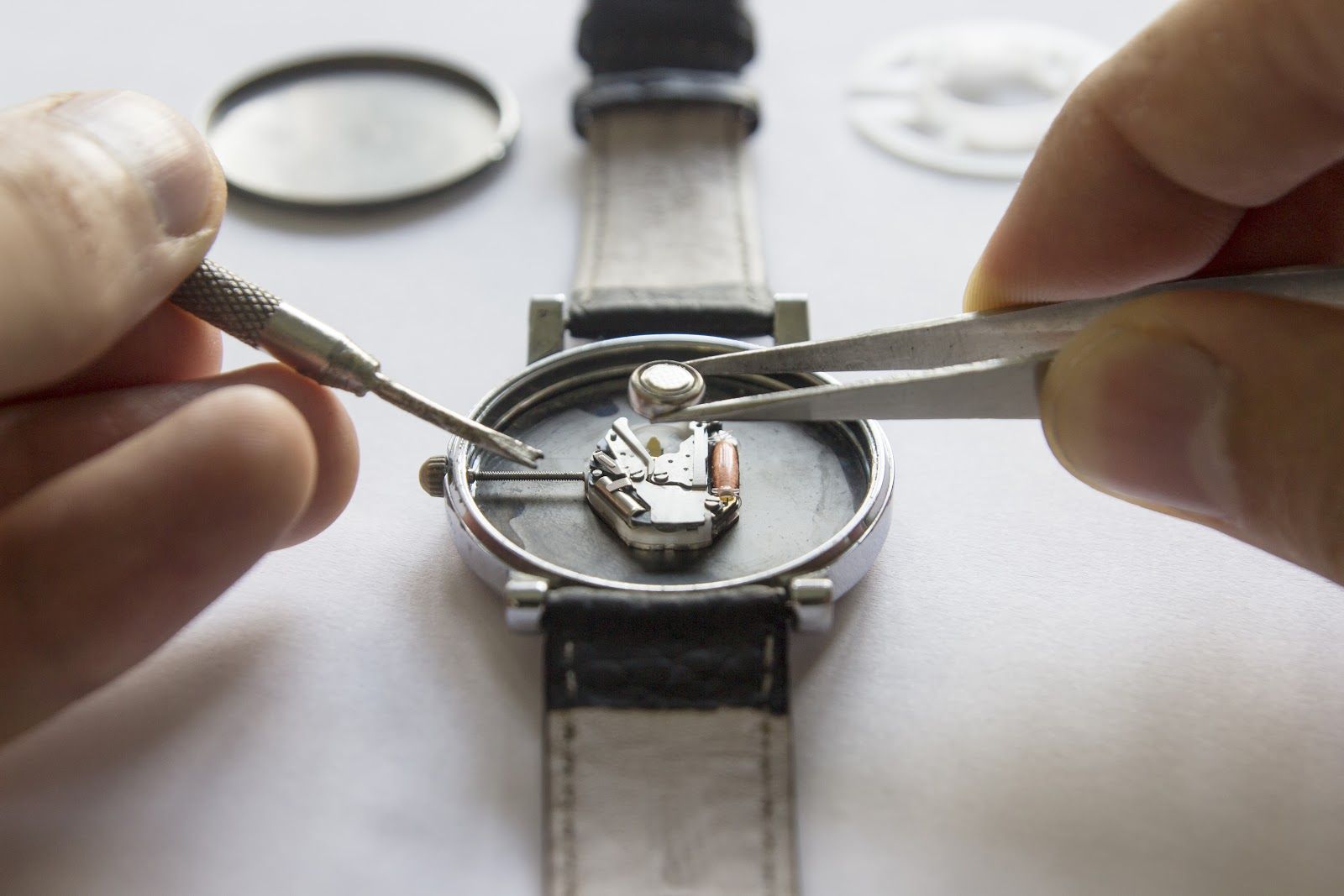
A reputable specialist starts with a full inspection under magnification, looking for signs of wear, residue, and prior repairs. The timepiece is then carefully disassembled, cleaned, re-lubricated, and reassembled with precise tools designed for antique work. In some cases, replacement of uniquely sized springs or restoration of original parts is needed.
Professionals also test for magnetization and run accuracy tests in a controlled environment to be certain the solution will hold up to local conditions. Your antique gets not just a fix, but the kind of preventative care that keeps it running for years—protecting family history and value along the way.
→ From a professional standpoint: The difference between an amateur “fix” and a specialist restoration is often the future reliability of your treasured heirloom.
Your Timepiece Deserves Expert Care
When your antique timepiece stops working, it’s only natural to worry about what’s next. Knowing what causes the failure—and trusting a local Edmonton expert to handle repairs—means you can return your clock or watch to its rightful place with confidence. If you’re ready for honest guidance and care you can trust, bring your piece to Ultra Jewellers and let us restore your timepiece’s function and story.
Share This Blog