Cold Weather Watch Stops: Trade Truths About Mechanical Movements
Ultra Jewellers • November 10, 2026
Dropping temperatures introduce unique challenges for delicate mechanical devices. An expensive timepiece stalling during a cold morning walk is a frustrating experience for many watch owners. Our technicians at Ultra Jewellers regularly address seasonal performance issues that confuse even experienced collectors.
Most people immediately assume the battery has died when the hands stop moving. While this is true for digital models, traditional mechanical and automatic timepieces react very differently to extreme temperatures. Understanding the trade truth behind cold weather impacts helps you avoid unnecessary panic and ensures you seek the correct type of maintenance.
What you will find below:
● Mechanical realities: How temperature impacts lubrication inside your watch.
● Diagnosing the stop: Telling the difference between battery failure and gear issues.
● Preventative care: Steps to protect your timepiece in freezing conditions.
Mechanical Movements And Edmonton Winters
The gears and springs inside a mechanical watch rely on specialized synthetic oils to operate smoothly. When you step outside into a freezing Edmonton winter, these delicate lubricants can thicken and lose their optimal viscosity. This physical change increases friction between the tiny moving parts.
This friction is exactly why your watch stopped working in the cold. The increased resistance forces the mainspring to work harder to turn the gears. Eventually, the movement simply stalls under the strain. Returning the watch to a warm room often restores normal function as the oils return to their fluid state. However, repeated exposure to severe cold without proper servicing can cause long-term wear on the internal components.
Recognizing A Genuine Watch Repair Need
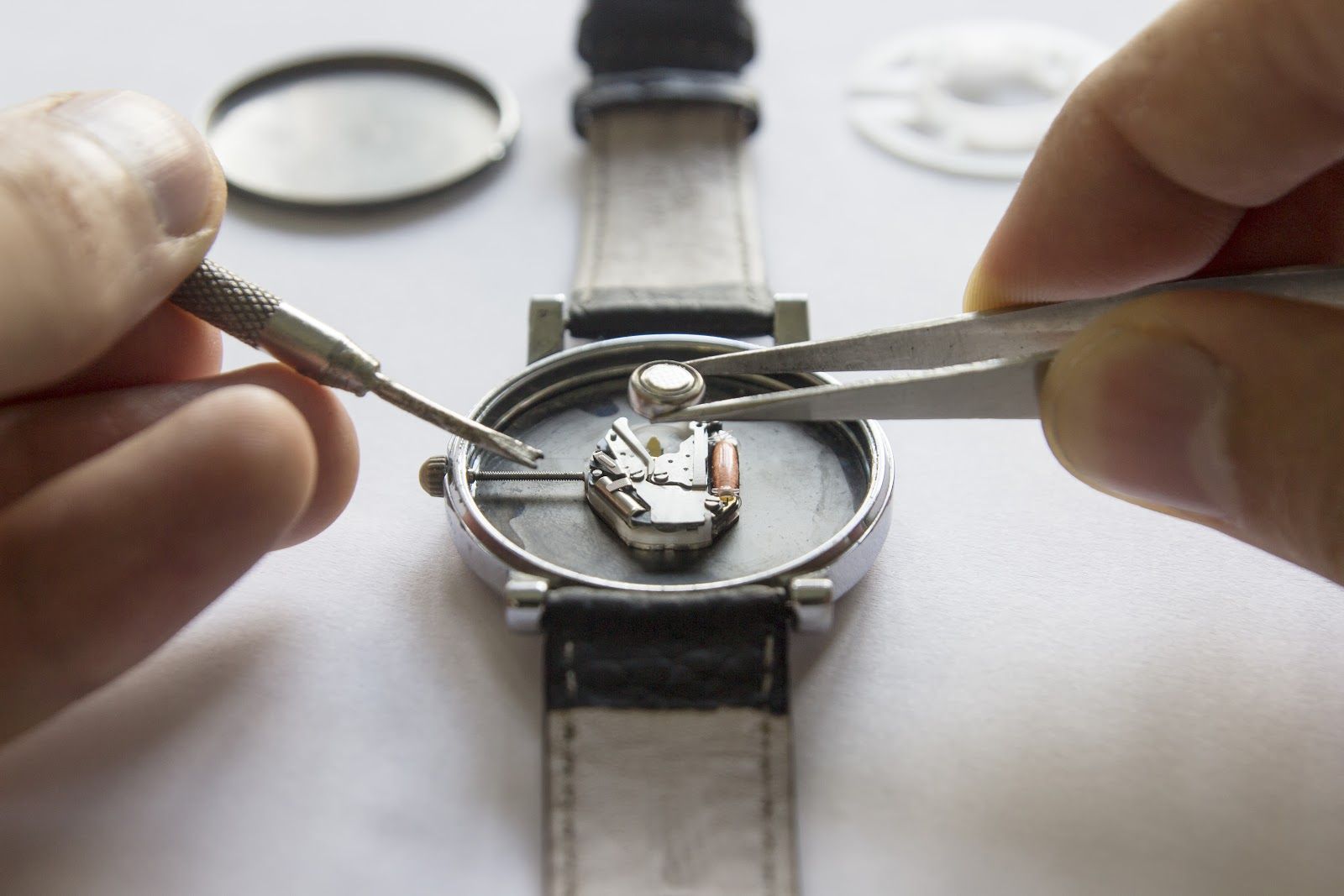
If warming your watch does not get it ticking again, you likely need professional watch repair. Thickened oils can sometimes trap microscopic dust particles, creating a sticky residue that permanently binds the gears. In these cases, a certified technician must completely disassemble the movement to clean and re-lubricate every single part.
It is important to differentiate between mechanical stalling and simple power loss. If you own a quartz watch, cold weather can temporarily drain the voltage output of the cell. If the hands fail to move even after returning indoors, a standard watch battery replacement is usually the correct solution. Knowing which movement you own dictates the care required during the winter months.
Keeping Your Timepiece Running Right
Extreme temperatures test the limits of precision engineering. Providing your timepiece with proper seasonal maintenance prevents minor issues from becoming costly internal damage. Bring your stalling watches to our repair center for a thorough technical evaluation.
Share This Blog